
Plastic Formwork Price: Why It’s a Smarter Investment Than You Think
plastic formwork is rapidly gaining ground, and its price point is a big reason why. Let’s break down the numbers: plastic formwork isn’t just affordable upfront; its durability (with 100+ reuse cycles) makes its per-use cost far lower than alternatives. Here’s why plastic formwork price tags deliver unbeatable value.
11/2/20253 min read
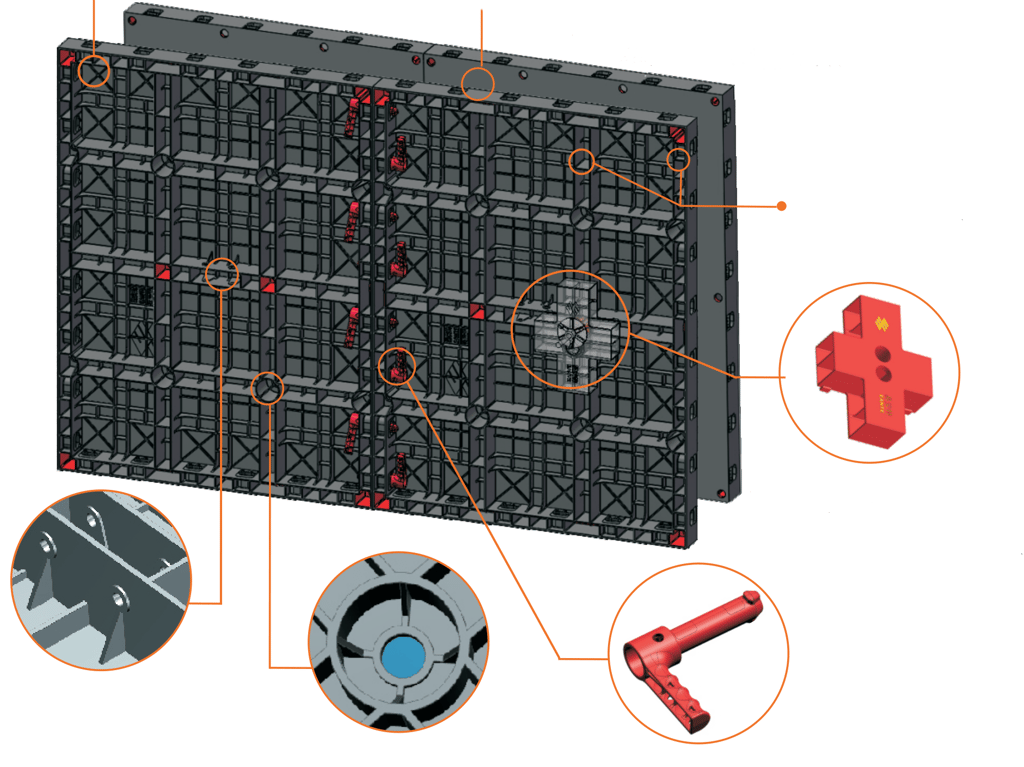
When it comes to construction materials, cost is always a top concern. Contractors, project managers, and builders constantly weigh upfront expenses against long-term value—especially when it comes to formwork, a critical component that shapes concrete structures like walls, columns, and slabs. For years, traditional materials like steel or plywood have dominated the market, but plastic formwork is rapidly gaining ground, and its price point is a big reason why. Let’s break down the numbers: plastic formwork isn’t just affordable upfront; its durability (with 100+ reuse cycles) makes its per-use cost far lower than alternatives. Here’s why plastic formwork price tags deliver unbeatable value.
When it comes to construction materials, cost is always a top concern.
Contractors, project managers, and builders constantly weigh upfront expenses against long-term value—especially when it comes to formwork, a critical component that shapes concrete structures like walls, columns, and slabs. For years, traditional materials like steel or plywood have dominated the market, but plastic formwork is rapidly gaining ground, and its price point is a big reason why. Let’s break down the numbers: plastic formwork isn’t just affordable upfront; its durability (with 100+ reuse cycles) makes its per-use cost far lower than alternatives. Here’s why plastic formwork price tags deliver unbeatable value.
100+ Reuses: The Game-Changer for Long-Term Savings
The true magic of plastic formwork lies in its durability. Unlike H20 beam timber plywood (3–5 uses) or even steel (which can corrode or dent after 200 uses if not maintained), high-quality plastic formwork—made from robust materials like ABS or PP—easily handles 100+ reuse cycles. This longevity transforms the “price” conversation from upfront cost to per-use cost.
Let’s do the math:
A plastic panel costing $40, reused 100 times, works out to $0.40 per use.
A steel panel at $60, with 60 uses, costs $1.00 per use.
A plywood panel at $20, with 4 uses, costs $5.00 per use.
Over the lifespan of a project—or across multiple projects—plastic formwork’s per-use cost is 60% lower than steel and a staggering 92% lower than plywood. For contractors juggling multiple builds, this adds up to tens of thousands in savings annually.
Hidden Costs: Plastic Formwork Cuts More Than Just Material Expenses
Price isn’t just about the sticker on the panel. Plastic formwork reduces hidden costs that eat into profits:
Labor Savings: Plastic panels are lightweight (50% lighter than steel), so workers can handle them faster, cutting installation and removal time by 30–40%. Fewer hours on the clock mean lower labor bills.
Maintenance Savings: Steel requires regular cleaning, painting, and rust treatment to extend its life. Plastic? A quick rinse with water is usually enough. No expensive chemicals or extra labor needed.
Waste Reduction: Plywood generates tons of waste after a few uses, leading to disposal fees and environmental compliance costs. Plastic’s reusability slashes waste, saving on dump fees and aligning with green building standards (which can qualify projects for incentives).
When to Invest: Plastic Formwork Shines in These Projects
Plastic formwork’s price-to-value ratio makes it ideal for:
Residential Construction: Repeatable designs (like standard walls or columns) let you maximize reuse across multiple homes.
Infrastructure Projects: Bridges, tunnels, or road barriers—where formwork is used consistently over months, amplifying per-use savings.
Small to Mid-Sized Contractors: Limited budgets benefit most from lower upfront costs and reduced long-term expenses.
The Verdict: Plastic Formwork Price = Smart Economics
Plastic formwork isn’t just “cheap”—it’s cost-effective. Its lower upfront price, combined with 100+ reuses, slashes per-use costs to a fraction of steel or plywood. Add in labor, maintenance, and waste savings, and it’s clear why more builders are ditching traditional materials.
If you’re focused on bottom-line results, don’t let the initial price tag fool you. Plastic formwork is an investment that pays off with every pour, project after project. It’s not just about saving money today—it’s about building a more profitable, efficient construction process for tomorrow.
Solutions
Comprehensive concrete formwork and reinforcement systems.
Contact
Email: kevin@zhuniuformwork.com
Whatsapp/Wechat: +86 180-5453-3152
© 2025. All rights reserved.Company:Linyi Zhuniu Building Materials Co., Ltd