
Reusable Concrete Wall Forms: Plastic vs. Light Steel Panel Systems
Plastic panels are lightweight, low-cost in auxiliary construction and moisture-resistant, ideal for small and medium-sized conventional wall projects, yet limited by poor temperature resistance, low strength and inflexibility.
6/16/20266 min read
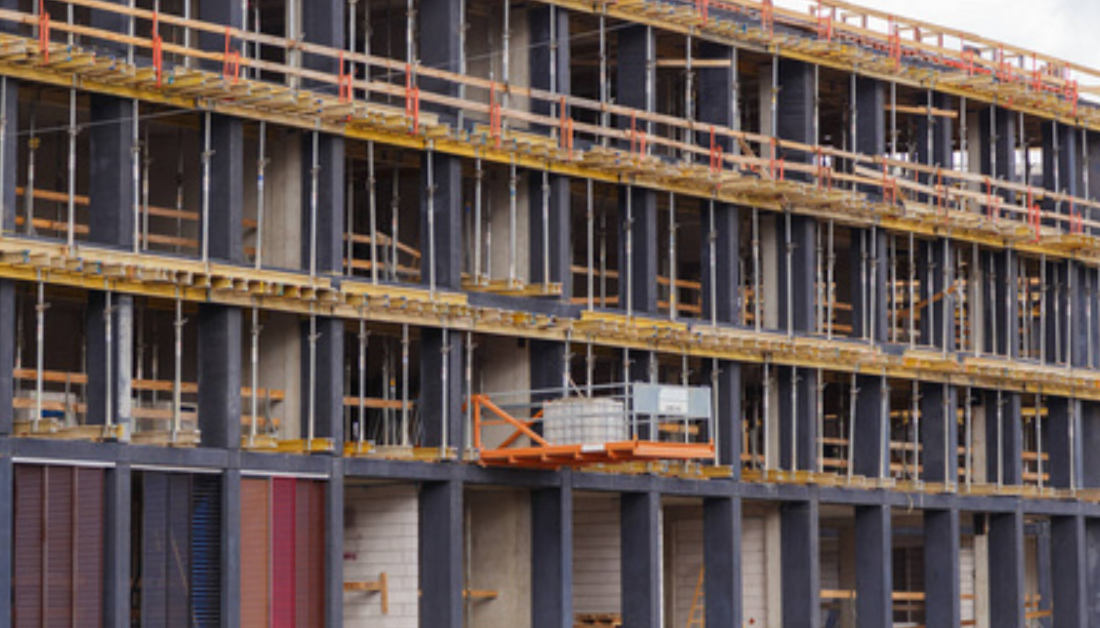
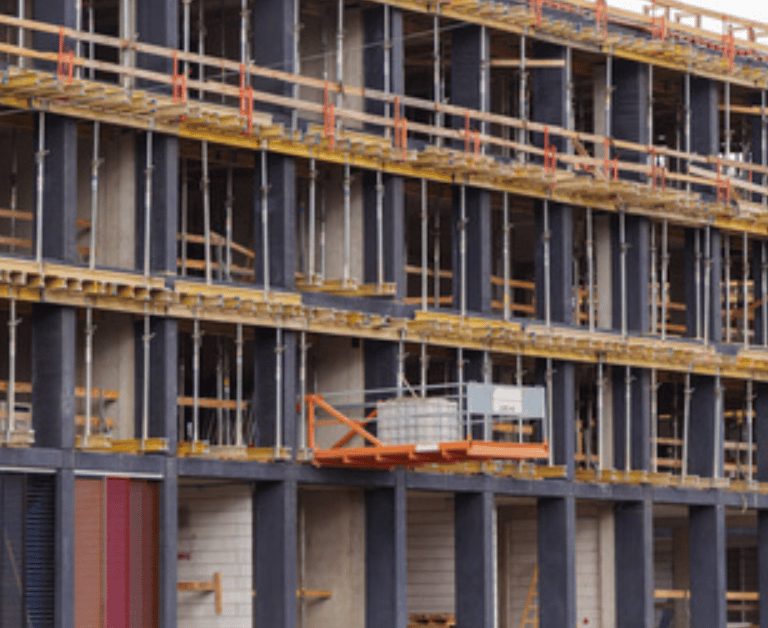
In modern sustainable construction, reusable concrete wall forms have gradually replaced traditional single-use wooden and plywood formwork, becoming a core temporary construction material for vertical concrete wall pouring. As construction efficiency, cost control and environmental protection requirements continue to rise, modular reusable formwork systems have shown outstanding application value. Among them, reusable plastic concrete wall panels and light steel wall panels are the two most mainstream types of cyclic formwork, which are widely used in residential buildings, commercial facilities, municipal engineering and other projects. Both materials realize repeated turnover use to reduce construction waste, but they differ significantly in structural performance, construction adaptability, cost economy and service conditions. This paper will systematically introduce the characteristics, advantages and disadvantages of these two reusable concrete wall form systems, providing a clear reference for engineering selection.
1. Reusable Plastic Concrete Wall Panels
Reusable plastic concrete wall panels are mostly made of high-density polyethylene (HDPE) and modified engineering plastics, formed by integral injection molding or extrusion process. They are standardized modular formwork panels designed for concrete wall pouring and demolding, with unified specifications and interlocking assembly structures. Different from disposable wooden formwork, high-quality plastic wall panels can be recycled and reused for 50 to 150 times with standardized operation and proper maintenance, which greatly reduces the comprehensive material cost of construction projects.
1.1 Advantages of Plastic Concrete Wall Panels
First of all, plastic wall panels have excellent anti-corrosion and moisture resistance. The plastic material does not absorb water, nor will it warp, swell, rot or mildew due to humid environment, rainwater soaking or concrete moisture erosion. This enables it to maintain stable structural performance in rainy seasons, humid regions and underground concrete projects, avoiding the deformation and damage problems common to wooden formwork. Meanwhile, it is resistant to chemical corrosion from concrete alkaline components, with no surface oxidation or rust, ensuring long-term stable use.
Secondly, the plastic formwork is lightweight and easy to construct. Its overall weight is far lower than steel formwork, which reduces the labor intensity of workers during transportation, assembly and disassembly. The modular splicing design simplifies the construction process, does not need complex cutting and secondary processing on site, and effectively shortens the construction cycle. In addition, the smooth and flat surface of plastic panels can produce high-quality concrete wall surfaces after demolding, basically eliminating the need for secondary plastering and surface repair, saving labor and auxiliary material costs.
In terms of environmental protection and economy, plastic wall panels have prominent advantages. They replace disposable wood materials, reduce deforestation and construction solid waste, and meet the requirements of green and low-carbon construction. Although the unit price of a single plate is higher than wooden formwork, its high reuse rate makes the average cost of each pouring far lower than traditional formwork, with significant long-term economic benefits. Moreover, the plastic formwork has a good demolding effect without sticking to concrete, reducing material waste and cleaning difficulty.
1.2 Disadvantages of Plastic Concrete Wall Panels
The primary limitation of plastic wall panels is poor temperature adaptability. Plastic materials are prone to thermal expansion in high-temperature environments, which may affect the dimensional accuracy of concrete walls. In low-temperature and freezing environments, the material will become brittle, reducing impact resistance and easily causing edge cracking and local damage during construction and turnover. This makes it restricted in extreme climate construction scenarios.
Secondly, the structural strength and rigidity of plastic formwork are relatively low. Compared with light steel formwork, its bending resistance and load-bearing capacity are weaker, so it cannot bear excessive concrete lateral pressure. It is not suitable for super-high concrete wall pouring and large-volume heavy-load concrete projects, and is mostly limited to low-rise and medium-rise building wall construction. In addition, prolonged exposure to ultraviolet rays in the sun will cause aging, discoloration and performance attenuation of plastic panels, requiring shielding protection during storage and construction.
In terms of construction flexibility, plastic wall panels have obvious shortcomings. Most modular plastic panels are fixed in specification and single in shape, which is difficult to adapt to complex building shapes, special-shaped wall structures and personalized architectural design requirements. On-site arbitrary cutting and adjustment cannot be realized like wooden formwork, resulting in poor construction flexibility. At the same time, the use and maintenance of plastic formwork have certain threshold, requiring workers to master standardized operation methods, and improper storage and disassembly will greatly shorten its service life.
2. Reusable Light Steel Concrete Wall Panels
Light steel concrete wall panels are a new type of metal reusable formwork made of high-quality thin-walled light steel profiles through stamping, welding and anti-rust treatment. With standardized modular design and integrated reinforcing structure, they are specially used for concrete wall shaping and supporting. Compared with traditional heavy steel formwork, light steel panels reduce self-weight while maintaining high structural strength, and can be reused hundreds of times with low attenuation of mechanical properties. They are widely used in high-rise buildings, large industrial plants, municipal retaining walls and other high-standard concrete projects.
2.1 Advantages of Light Steel Concrete Wall Panels
Light steel wall panels have extremely high structural stability and load-bearing capacity. The light steel material has high rigidity and bending resistance, can withstand large concrete lateral hydrostatic pressure, and is suitable for super-high walls, thick concrete walls and large-scale continuous pouring projects. Its dimensional stability is excellent, no deformation, shrinkage or expansion occurs with the change of external temperature and humidity, which can ensure the dimensional accuracy, flatness and regular edge corners of concrete walls, effectively reducing the error rate of construction.
The service life and reuse rate of light steel formwork are far higher than plastic formwork. With professional anti-rust and anti-corrosion treatment, light steel panels can resist construction site humidity, concrete alkali corrosion and mechanical impact. Under standardized maintenance, the reuse times can reach hundreds of times, and the performance attenuation is extremely low. It has stronger durability and turnover economy, and is very suitable for large-scale, batch and long-term continuous construction projects.
In terms of construction adaptability, light steel wall panels have comprehensive advantages. On the basis of standardized modules, they can be combined and adjusted flexibly, and can adapt to conventional walls, special-shaped walls, column structures and various complex building node designs. The assembly and disassembly process is mature and efficient, with standardized connecting parts, which can realize rapid construction and effectively improve the overall construction progress. In addition, the light steel formwork has high safety, stable overall structure after assembly, not easy to collapse or shift, and can effectively avoid construction safety accidents.
From the perspective of environmental protection, light steel is 100% recyclable. Even if it is scrapped after long-term use, it can be recycled and reprocessed without generating construction waste, which conforms to the sustainable development concept of the construction industry. Its long-term reuse greatly reduces the consumption of disposable formwork materials and has outstanding environmental benefits.
2.2 Disadvantages of Light Steel Concrete Wall Panels
The most prominent problem of light steel wall panels is the high initial investment cost. The production and processing technology of light steel modular formwork is complex, and the material and manufacturing cost are high. The one-time purchase cost is much higher than plastic formwork and wooden formwork, which increases the early capital pressure of construction enterprises, and is not cost-effective for small-scale, single and short-term temporary projects.
Secondly, the self-weight of light steel panels is higher than that of plastic panels. Although it is optimized compared with heavy steel formwork, it is still heavier than plastic formwork, resulting in higher labor intensity for workers during transportation, lifting and assembly. It usually needs to be matched with mechanical equipment for auxiliary construction, which increases the auxiliary construction cost and site operation difficulty to a certain extent.
In addition, light steel formwork has strict maintenance requirements. Although it has anti-rust treatment, it is still prone to surface rust and corrosion if stored in a humid environment for a long time or stained with residual concrete slurry without cleaning. Rust will affect the surface flatness of concrete and reduce the service life of the formwork. Meanwhile, the damaged parts of light steel panels are difficult to repair on site, and professional maintenance and replacement of components are required, which increases the later maintenance cost and time cost.
3. Conclusion
Reusable plastic concrete wall panels and light steel concrete wall panels are both efficient and environmentally friendly substitutes for traditional disposable formwork, but they have their own applicable scenarios due to different material properties and structural characteristics. Plastic wall panels are lightweight, low in auxiliary cost, good in moisture resistance and cost-effective for small and medium-sized, repetitive and conventional wall projects, but are limited by temperature sensitivity, low strength and poor flexibility. Light steel wall panels have high strength, strong stability, long service life and wide adaptability, and are the best choice for large-scale, high-rise and complex concrete projects, but they are restricted by high initial cost and heavy self-weight. In actual engineering construction, contractors should select appropriate reusable wall form systems according to project scale, structural complexity, construction environment and cost budget, so as to maximize construction efficiency, economic benefits and environmental value.
Solutions
Comprehensive concrete formwork and reinforcement systems.
Contact
Email: kevin@zhuniuformwork.com
Whatsapp/Wechat: +86 180-5453-3152
© 2025. All rights reserved.Company:Linyi Zhuniu Building Materials Co., Ltd